![https://www.visithimalayastrek.com/]() https://www.visithimalayastrek.com/
https://www.visithimalayastrek.com/
Travel Agency
Kanchenjunga Base Camp Trek – The Journey to the Foothill of 3rd Highest Peak in the World
Kanchenjunga Base Camp Trek is one of fascinating journey to the remote Himalaya of Nepal that is strictly untainted and unspoiled region. This adventurous trekking takes you to the far-eastern region of Nepal. Kanchenjunga is the third highest peak in the world and is easily accessible from Nepal and Sikkim, India. Kanchenjunga lies in three countries i.e. India, China (Tibet) and Nepal but the most popular trekking route is via India and Nepal.
Due to its relative inaccessibility and remoteness, Kanchenjunga Base Camp Trekking is one of beaten off trekking in Nepal and you will encounter very less travelers throughout the journey. It is in fact the hidden treasure of Nepal. Many believes that western region is wild and adventurous and it is true to some extent but some aspect of Kanchenjunga trekking (eastern region) is unmatchable to western. If you want to savor the beauty of Kanchenjunga and experience unique geography, Kanchenjunga Base Camp Trek would be the great option for you.

Apart from its beauty, colorful villages and unique tribe living in the region highlights the trek. The cross cultural privilege, interaction with locals and witnessing their lifestyle offers deep insight of the region. Those who are keen in exploring secluded region along with exploring pristine nature can go for Kanchenjunga Base Camp Trek.
Getting to the Starting Pont
By Road Way:
The starting point is accessible via road way. Board a bus at Kathmandu and drive east-south to Biratnagar. It is long and exhausting journey but landscapes seen during the drive is rewarding. Overnight at Biratnagar and next day, drive 8-10 hours to Taplejung, the starting point of the trek.
By Air way
Skipping a roadway saves your time and energy but it is quite expensive. You can take a mountain flight from Kathmandu to Suketar and begin the trek. But we recommend you to take a short flight to Biratnagar and drive same day to Taplejung to begin the trek next day.
Kanchenjunga Base Camp Trekking Mode
Trekking to Kanchenjunga Base Camp can be arranged in Teahouse mode these days. However, we recommend you to go for camping trek for more adventure. Limited resources for accommodation and food may badly affect the pleasure of the trek.

Comfortable sleep every night, 3 hygienic meals per day cooked by expert Sherpa is highly recommended.
Guides and Porters
As Kanchenjunga Base Camp Trek is restricted area trekking in Nepal, you must accompany the registered guide for entry permit.
Depending on the size of the group, one or two guides will lead the trek. One Sherpa cook with helper, 2-3 porter per guest to carry the necessary logistic will accompany the group of trekkers to Kanchenjunga Base Camp.
Trek Highlights:
The breathtaking view of the Kanchenjunga from the North Base Camp at Pang Pema (5,140m), stunning Kanchenjunga Glacier, sharp ridges of Chang Himal (6,800m) soaring above Kanchenjunga glacier, panoramic Taple Shikhar, The Twin Mountain, Pyramid Peak and Tent Peak are the major highlight of the trek. Likewise, Mt. Kumbhakarna, the vertical white mass soaring above the Mt. Khabur and Mt. Phole offers the rarest view during the trek. Moreover, the enthralling beauty of Rathong and Kabru Dome Peak and the magnificent Yalung Glacier adds more charm to the trek.
Kanchenjunga Base Camp Trek also offers the great trekking in the remote corner of Nepal through the alpine woodlands that comprises bamboo, bright red rhododendron, oak, chestnut, pine and juniper trees. Trekking along the deep valley of rivers formed from the glacier of Himalayas and exploring the torrent flow of these river while walking through the narrow suspension bridges is a sheer adventure. Moreover, beautiful passes like Dhupi Bhanjyang (2540m), Lamite Bhanjyang (3410m), Deurali Bhanjyang (3,800m) and Miring La (4,663m) is one of wonderful experience during the trek. KBC trek also provides ample opportunity to witness alpine wildlife and floral species. Wildlife includes endangered snow leopard, musk deer and blue sheep.
Protected Areas
Kanchenjunga region holds three distinct eco-region: The eastern Himalayan broad-leaved, coniferous forest (the eastern Himalayan alpine shrub and meadows and the Terai-Duar Savanna and grasslands. The whole landscapes is protected under the conservation area of Bhutan, China, India and Nepal and comprised 14 protected areas in 6,032 km2.
-
Nepal- Kanchenjunga Conservation Area
-
Sikkim, India: Kanchendzonga National Park, Barsey Rhododendron Sanctuary, Fambong Lho Wildlife Sanctuary
-
Dargeeling, India: Jore Pokhri Wildlife Sanctuary, Singalila National Park
-
Bhutan: Torsa Strict Nature Reserve
The protected area of Kanchenjunga is home to numerous rare flora like rhododendron and orchids and endangered faunal species like snow leopard, Asian Black Bear, Red Panda, White-Bellied Musk Deer, Blood Pheasant and Chestnut-breasted patridge
Unique Experience
Kanchenjunga Base Camp Trek is also the great opportunity to experience the culture and lifestyle of highland Nepalese communities like Rai, Limbu, Sherpa, Gurung and Tamang. Exploring the ancient monasteries, hospitality of locals and challenging hike over Yalung Glacier and walking through high mountain passes offers the life-time experience for trekkers.
Everest Three Pass Trek- Trekking Route, Difficulties, Best Seasons and Permits
Transportation Route
There are two mode of transportation for Everest Three Pass Trek i.e. via flight or road way. Majority of trekkers choose to take a small airstrip to Lukla and join a classical route to Everest.

There are numbers of flight in operation on daily basis from Kathmandu to Lukla- the gateway of Mt. Everest. Tara Airways runs maximum numbers of flights to Lukla. The flight cost from Kathmandu to Lukla is USD 280 for foreigners and NPRs 16,280 return for SAARC citizen. In bad weather, the flight often gets delayed and the helicopter charge per person costs around (USD 450-500).
You can also choose to take a bus ride to Jiri and join classical route to Lukla previously used by Edmund Hillary during his Everest Expedition.
Trekking route to Everest Three Pass Trek
Day 01: Kathmandu – Lukla (2,850m) – Phakding (2,640m) – 30 minutes flight/ 4-5 hours trek
Day 02: Phakding – Namche Bazaar (3,440m) – 6/7 hours
Day 03: Acclimatization at Namche Bazaar
Day 04: Namche Bazaar – Tengboche (3,860m) – 5/6 hours
Day 05: Tengboche – Dingboche (4,350m) – 5/6 hours
Day 06: Dingboche – Chukung (4,600m) – 3 hours
Day 07: Acclimatization day at Chukung
Day 08: Cross Kongmala Pass and trek to Lobuche (4,910m) – 9/10 hours
Day 09: Lobuche – Gorakh Shep (5,170m) – 3 hours
Day 10: Gorakh Shep – Kala Patthar (5,554m) and back to Lobuche
Day 11: Lobuche – Dzongla (4,850m) – 3/4 hours
Day 12: Dzongla – Cho La (5,420m) – Thangnak (4,700m) – 7/8 hours
Day 13: Thangnak – Gokyo (4,750m) – 3/4 hours
Day 14: Acclimatization day at Gokyo
Day 15: Gokyo – Renjo La Pass (5,417m) – Lungden (4,375m) – 6/7 hours
Day 16: Lungden – Thame (3,825m) – 3/4 hours
Day 17: Thame – Namche Bazaar – Monjo (2,825m) – 5/6 hours
Day 18: Monjo – Lukla – 4/5 hours
Day 19: Lukla – Kathmandu
Difficulties of Everest Three Pass Trek
Everest Three Passes Trek covers all the aspect of wilderness trekking in Nepal from extreme altitude trekking to remote trails and crossing some of adventurous passes in Nepal.
Trekkers have to hike for more than 19 days in extreme weather, remote trail and alpine altitude. Trekkers must be physically fit and mentally strong to accomplish to the trek successfully.
At alpine altitude, travelers are likely to get caught by Altitude Threat so it is important to walk slow and make proper acclimatization.
As it is remote trail in Nepal, travelers should not expect world-class accommodation and quality food service with extensive menu.
Another difficulties might be the communication. Everest Three Pass Trekking Trail have poor access of satellite communication and only few popular villages like Namche has internet access. English is well-understood by few educated mass.
ATMs are not available at Everest Three Pass Trail so you need to hold enough cash.
Physical Requirements and Conditions
Everest High Pass Trek is strenuous trek ideal for passionate hikers who can walk at least 5-6 hours a day with light rucksack. Some days, you have to walk for more than 7-8 hours. Hiking at alpine altitude demands physical strength and great determination.
Trekking to Everest Three Pass does not require any technical skills and trekking experience however previous experience might be an asset.
You have to train for at least 2 months prior the trip. Some important training tips:
• Jogging for several hours carrying light rucksack
• Leg Cardio and Cycling
• Running, Swimming and other sports
If you have any pre-exiting medical issues like heart, lungs or blood disease, you must consult doctor prior the trip.
Accommodation at Everest Three Pass Trekking Trail
Everest Three Pass Trek is possible to conduct in fully teahouse mode. Advanced booking is usually not required though it is wise to book at peak season prior the trip. Room costs around USD 3-35 depending on facilities offered like basic rooms or luxury rooms with hot shower. With the increase in altitude, the room price increases and the services available decreases.
Though teahouses and hotels don’t provide wide menu, maximum teahouse offers items like soups, noodles, eggs, toasts, dal-bhaat meals, spaghetti etc. While some teahouses also offers exotica like pizza, steaks, apple pie etc. We suggest you to have Daal-Bhaat meal as it is said Daal-Bhaat Power 24 hour. Food cost per day would range USD 25 – 30.
If you are planning to trek Everest Three Pass at off-season, you must check the availability of teahouse and flight before the beginning of the trek. Basically, at winter, huge settlements from alpine altitude migrates to lowland to escape from cold. Likewise, flights often gets delayed at off-season because of bad weather.
Trekking Permits for Everest Three Pass Trek
Trekkers must obtain Trekking Information Management System (TIMS) card that costs USD 20 for individual trekkers. The best place to buy Everest Three Pass permits is at Tourist Service Center located at Brikuti Mandap, Kathmandu; Phone Number- 01-4256909. You must carry original passport and two passport size photos.
You also need to obtain Sagarmatha National Park permit NPRS 3,000 for foreigners and NPRS 1,500 for SAARC citizens easily available at Tourist Service Center. You can buy Sararmatha National Permit at gate in Jorsale too.
Best Season for Everest Three Pass Trek
September to November at autumn and March to May at spring are considered as the best season for Everest Three Pass Trek. The weather during these days are moderate suitable for hiking. Days are usually clear with best views.
Complete Gear Check List For Kanchenjunga Base Camp Trek
Packing is what travelers must take account carefully before heading for any expedition or adventure alike. Proper Packing assures safety and somehow reduces your overall touring cost. Kanchenjunga Base Camp Trek takes you to the remote area and extreme altitude where you need proper and perfect gears. There are no trekking gears shops available in other region of Nepal except in Pokhara and Kathmandu. We suggest you to pack all the gear from your home except buying expensive trekking gears or let us manage your all trekking gear. Trekking gears are expensive and they have no use once you complete your mountain trekking expedition. For Kanchenjunga Base Camp Trek or other extreme altitude trekking, there are many shops at Kathmandu and Pokhara that rents expensive trekking gears at affordable price.

Kanchenjunga Base Camp Trek is high-altitude and moderately difficult trek that does not need technical climbing skills or previous trekking experience. What you pack and take on the trip depends hugely on how you enjoy the trek. If you choose Kanchenjunga Base Camp Trek as your next trekking trip, we have prepared the full packing list for you that has been useful for many successful trekkers with us before.
Following are the most important gear list for Kanchenjunga Base Camp Trek:
Necessary Documents for Kanchenjunga Base Camp Trek
Passport
Passport is the main source of identity that allows safe and secure passage to the country you are travelling to. Make sure you have more than 6 months of passport validity date. Obtain not less than 1 month of Nepal visa for Kanchenjunga Base Camp Trek.
Permits
Some part of region is restricted area and needs special permits to enter the area. KBC trek is restricted area in Nepal that requires permits for entrance.
Cash
Kanchenjunga Base Camp Trail lies at remote far-eastern part of Nepal. You will not find ATMs in KBC trail except at Kathmandu and Biratnagar. We suggest you to carry enough cash that you can exchange in many exchange at Kathmandu. You can bring $2,000 without having costume declared upon arrival.
Travel Insurance
Travelling is not always safe. Some unforeseen accidents and emergencies are inevitable. Kanchenjunga Base Camp Trek is high altitude and extreme trekking with huge altitude sickness risk and other hazards.
We suggest you to get insured that covers stolen items, trip flight cancellation, medical emergency and others. For KBC trek you must need a plan that covers emergency evacuation and rescue service.
Wearing For Kanchenjunga Base Camp Trek
Clothes are important packing list which you can either pack from home or buy easily in Kathmandu. Kanchenjunga Base Camp Trekking trail traverses from lowland Terai to alpine pasture land, so layering is the most things to concern.
Clothes
-
2 short sleeved T-shirts and 2 long-sleeved T-shirts
-
Pair of trekking-pants
-
4-6 pair of Wool-blended trekking socks and 4 pair of light socks
-
4-6 pair of underwear- sweat absorbent is preferable
-
Fleece Jacket
-
Windbreakers
-
Raincoats
-
Pair of hiking boots
-
Light-weight gloves and warm, waterproof gloves
-
Bandana
-
Hat
-
Buff/Balaclavas/Headband
-
Slipper
Rucksack for Kanchenjunga Base Camp Trek
We suggest you to bring a bag that have enough space and can hold everything you need for the trek. Bring 80-100 L duffel bags made of waterproof materials with sturdy zippers and shoulder straps.
If you duffel is carried by porter, you will carry a daypack that consists pair of cloths, medicines, documents, water, cash and other items.
If you are solo traveler, it is easy to carry 45-65 L rucksack. If you are traveling at monsoon, don’t forget to bring rain-cover.
Sleeping Bags
As Kanchenjunga Base Camp Trek is an extreme and alpine trekking, you must ensure a warm and good night sleep for proper rest. You can rather rent sleeping bag at Thamel than buying it.
We also suggest you to get sleeping bag liner for more comfort and cleanliness inside the rented bag. Also bring light-weight pillow for extra-comfort.
Other Gear for Kanchenjunga Base Camp Trek
-
Trekking Poles
-
Headlamps
-
Sunglasses (UV protection)
-
Water Bottle and water purifier
-
Trekking Towel
-
Camera
-
Bag locks
-
Waterproof zip lock bags
-
Books
-
Power Bank and extra batteries
-
Chargers
Medicine for Kanchenjunga Base Camp Trek
-
Diamox for altitude sickness
-
Water purifier
-
Isotonic powder for enhancing the taster and increasing energy level
-
Paracetamol for headache and cold
-
Neosporin/Imodium for diarrhea
-
Painkiller
Personal Stuffs
-
Deodorants
-
Sunscreen for UV radiation
-
Hand sanitizer
-
First aid kits
-
Wet-wipes
-
Toiletries including toilet paper
-
Blister plaster
-
Oximeters
-
Maps
-
Duct Tape
-
Head Phone
-
Solar Charger
-
Nail Chipper
Snacks
You cannot buy deluxe and luxurious snacks along the route of Kanchenjunga Base Camp Trekking Trail. You can bring your favorite chocolates, protein bars and other favorite stuffs from home. This gives you a better feeling at exhausting days when you don’t like the served foods. Also carry tea or coffee bag, as it gets expensive at KBC trekking trail.
These gear lists will ensure safe, comfortable and enjoyable trekking experience. Don’t carry the stuff that is over-weighted or covers more space. You can carry some extra stuffs to donate to the bypassed community along Kanchenjunga Base Camp Trekking Trail.
You can contact us, Visit Himalaya Treks Pvt. Ltd. for the Best Trip to Kanchenjunga Base Camp Trek HERE.
Complete Guideline for Annapurna Base Camp Trek in Nepal
Annapurna Base Camp trek is one of most classical and busiest trekking route in Nepal. To the central-north Nepal lies 55 km long compact group of mountains, which is commonly known as Annapurna massif. These massif are protected by one of the largest conservation area of the country, Annapurna Conservation Area (7,629km2). Among them Annapurna I (8,091m) is the largest mountain and ranks at the 10th position in the world. This area is home to numerous trekking and hiking routes. Annapurna Base Camp is nestled at amidst of Annapurna I (8,097m) sharing province Annapurna south (7,219m), Hiuchuli (6,441m) and Machhapuchhre (6,993m).

Trekking to Annapurna Base Camp (4,130m) is dream for every trekkers around the world. Annapurna Base Camp trail takes 7 to 12 days depending upon your itinerary and walking lengths. Annapurna Base Camp trek is relatively easy in comparison to other trekking trail in Nepal but still incorporates diverse terrain, colorful culture, wildlife and panorama of alpine landscapes and mountain range which every Himalaya trekking in Nepal has to offer.
You need to collect enough information related to trekking before launching your Annapurna Base Camp trail, here I have tried to give snapshot information about the guideline of the trail. This might be helpful for you, if you wish to go for trekking in Annapurna Base camp.
Best Season to go for Annapurna Base Camp Trek
Annapurna Base Camp trekking is possible to conduct throughout the year. The best season depends on how you wish to see and trek along the trail. If you are content with traffic route, we suggest you to go for trail in autumn (September-November) and spring (March-May). Weather is clam and moderate and so are the sky and views. In spring, the sweeping of rhododendron all over the surrounding hill is breath-taking.

Monsoon is good time for trekking. It is good for botanist when the surrounding is covered with lust vegetation and floral species. Rains are likely to come down during the evening or night and the dark cloud over the mountain may obscure the viewing. Moreover, there is high risk of mosquito, leeches, landslides and floods during the monsoon season. Monsoon season starts from June and last till August in Nepal.
Winter (December-February) is also not recommended for trekking in Annapurna region. Although days are mild, nights get freezing cold during winter. This season is good for travelling in lower region of Nepal. The foggy cloud grooving all over disturbs the view of mountain and surrounding landscapes. If you wish to trek Annapurna Base Camp during winter, you must check the availability of accommodation in higher region because people often migrate to lower place during winter.
Annapurna Base Camp Trek Cost
Costs for Annapurna Base Camp Trek actually depends on the transportation you used, food you eat, teahouse you accommodate and guide and porter you accompany.
Lodges cost around $2 per night per person. The room is small but cozy and tidy. If you wish, you can stay overnight at luxury hotel but the price is much more expensive than normal teahouse.

You are supposed to eat where you stay. Teahouse makes money by food you eat rather than accommodation money you pay. On average $25 will cover the normal three times meals that includes breakfast, lunch and dinner. For breakfast- eggs are made in different ways like chapatti, cereals with milk, sandwiches and different varieties of potatoes. Lunch and Dinner includes typical Nepali Khana- Daal, Bhaat and Tarkari. You can however change the menu and order different foods that worth the same.
What to Pack for Annapurna Base Camp Trek?
You will need several equipment and gears to complete the trek comfortably. Below we have managed to order all the necessities for your trail and you can include or avoid the gears according to your need.
Trekking Gears
-
Heavyweight gloves or mittens with waterproof outer shell
-
Down Jacket
-
Woolen trousers and pants
-
Hiking boots
-
Warm woolen socks
-
Running shoes and sandals
-
Gaiters
Other Gears
-
Thermal Tops
-
Fleece jacket
-
Waterproof jacket
-
Underwear and Shorts
-
Cotton trouser and pants
-
Thermal bottoms
-
Sun hat/ scarf or light balaclava
-
T-shirts
-
Sunglass with UV protection
-
Sleeping bag
-
Head lamp and spare bulb with extra batteries
-
Backpack
-
Plastic bag
-
Water bottles
-
Wash towel
-
Toiletries
-
First Aid Kit
Difficulties of Annapurna Base Camp Trekking
Trekking to the foothill of massif Annapurna is itself a challenging task. The trail however is trekking friendly and concerns fair walk which makes it one of easiest trail in Himalaya of Nepal. You do not have to walk long for several days to accomplish the Annapurna Base Camp -trail. It only takes around 7-12 days for the trek depending upon your itinerary, starting point and walking length. So, Annapurna Base Camp trekking can be graded as moderate trail even for unseasoned trekkers.

Trekking usually starts from Nayapul (2,070), 1.5 km drive from Pokhara. Daily altitude gain is slow and you have to walk for 5-6 hours a day in fair route.
Altitude related sickness might be the major problems in course of trekking in Annapurna. It is wise to ascend slow and acclimatize properly.
Teahouse and food costs increases as the altitude increases. You have to be conscious at spending over there. Teahouse are basic with limited facilities at higher altitude.
Some Trekking Tips for Annapurna Base Camp Trek
Here are lists of important tips that might help you out during the trek
-
Dal Bhaat Power- 24 hour. We recommend you to order Dal Bhaat Tarkari that is more energetic. If you order it, you can take second and third for free except for meat. Eat as much as you want
-
Hold enough cash as there are ATMs in ABC trail
-
Separate some amount for transportation and entry fee to monasteries and museums. $150 is enough for that
-
Don’t forget to acclimatize properly before heading to higher elevation.
-
Don’t buy an expensive gear if you don’t want to. You can rent it instead of buying at rental shop of Kathmandu and Pokhara
-
Don’t forget to carry First-Aid medical kit
-
If you are novice trekker, you must accompany an experienced guide
Best Season for Everest Base Camp Trek in Nepal
Trekking in Nepal is possible to conduct throughout the year- we have slogan “Nepal for all season”. Short and easy trekking in Nepal such as Ghorepani-Poon Hill Trek, Chisapani Nagarkot Trek, Everest View Trek, Sirubari Village Trek etc. can be done all round the year. Everest Base Camp Trek is doable all around the year except at monsoon i.e. July and August.

Mount-Everest is the highest mountain peak in the world dominating the skyline at 8,848m. It lies approximately 28 degree north of the equatorial line and follow the seasonal pattern pretty much similar to North Hemisphere experience.
Below is the complete seasonal guideline for Everest Base Camp Trek in Nepal that helps you to determine the best and perfect season for trekking in Everest Base Camp.
Everest Base Camp Trek in Winter
Winter season starting from December and ending to March is largely dominated by the migration from alpine northern zone to south. If you are willing to trek Everest at winter, you must check the availability of teahouse at alpine place like Lobuche and Gorakhshep.
Winter brings plenty of changes in Everest Base Camp like the drastic fall in temperature, hymn snowy winds and heavy snowfalls. It gets chilling cold at night however day temperature can be dealt with. It is not the best season for trekking in Everest Base Camp but the clear blue sky at day time serves the best views.

If you want to avoid the traffic route and is content with the extreme temperature at high altitude, winter might be the perfect season for trekking in Everest.
Pros
-
Less-crowded route
-
Relatively cheap food and accommodation during EBC trail
-
Clear blue sky and stunning view
Cons
-
Obstruction of trekking route due to heavy snowfall and snowy hymn
-
Unavailability of teahouse at alpine altitude
-
Cancellation of Kathmandu-Lukla Flight
-
Chilling nights
Temperature
Month
Max
Min
December
40C
-150C
January
40C
-170C
February
40C
-150C
March
70C
-120C
Wind Speed
40km/hr
Everest Base Camp Trek in Spring
Starting from April and ending to June before Monsoon is probably the best season for Everest Base Camp trek and climb in Nepal. Many climbers embark at Everest Expedition summit in this season. Temperature during spring is moderate making it perfect season for trekking and climbing. In fact, lots of trekkers are out in their T-shirts and weather is warm and sunny with stunning mountain and surrounding views.

Spring is the time when the flowers are in state of bloom. The sweeping view of rhododendron flower all over the hills are stunning during spring. It is one the peak season for trekking in Everest or any Himalayan section of Nepal, you need to check the availability of flight and hotel prior the starting of journey.
Pros
-
Stunning rhododendron flower view
-
Moderate temperature for trekking
-
Best views of Everest and multiple 8,000+ peaks
-
Deep insight of great festivals of ethnic tribe of Khumbu region
Cons
-
Traffic route
-
Rise in price of food and accommodation on EBC trail
Temperature
Month
Max
Min
April
100C
-50C
May
150C
00C
Jun
170C
50C
Wind Speed
14km/hr.
Everest Base Camp Trek in Monsoon
Trekking Everest Base Camp during monsoon or summer (June-August) is affected by rain and not recommended season for trekking in Nepal. Monsoon is dominated by cloudy days followed by heavy rainfall every day. Trekking routes are slippery and there is high risk of landslides, flood and avalanches. Kathmandu-Lukla flight often gets delayed or cancelled due to bad weather in monsoon.
Trekkers who wish to trek Everest at Monsoon generally starts their trail form Phaplu or joins classical EBC trail from Jiri.
Trail like Upper Mustang Trek, Dolpo Trek and Lo Manthang Trek that lies on rain shadow areas are highly recommended destinations for monsoon trekking in Nepal.
Pros
-
Less Traffic Route
-
Exceptional and unique view
-
Cheap food and accommodation during the EBC trail
Cons
-
Slippery trekking route and peaks
-
Risk of avalanches, landslide and floods
-
Heavy rain fall and cancellation of flight & trail
-
Cloudy days and obscure view of mountains
Temperature
Month
Max
Min
June
170C
50C
July
160C
80C
August
160C
60C
Wind Speed
16km/hr.
Everest Base Camp Trek in Autumn
Extending from Sept to November, autumn in Nepal is the post monsoon season of the year. Until the winter kicks in during December, fall makes the perfect season for climbing, trekking or any sort of trail in EBC. It is the peak and best season for trekking in Everest Base Camp. Weather are good and so are the mountain views.

Since it is the peak season for EBC trail, you must book the flight and teahouse prior the starting of the journey. Highly recommended season for EBC trail in autumn is between mid-Septembers to end November.
Pros
-
Warm and sunny days with beautiful trekking environment
-
Best view of mountains and surroundings landscapes
-
Participation on different festivals of ethnic tribe
Cons
-
Traffic trekking route
-
Expensive food and accommodation during the trail
Temperature
Month
Max
Min
September
190C
50C
October
120C
40C
November
100C
-100C
Wind Speed
14km/hr.
Conclusion
Spring (March/April to May/June) and autumn (September to November) are the best seasons for Everest Base Camp Trek.
It important to collect information about the pros and cons of the seasons and some essential tips of EBC trail prior the journey. Basic knowledge about the altitude, its problem and solution is important to know, if you don’t want to face any complication
Check the weather forecast frequently and know the meaning of the chart before you decide to take on the mountains.
Everest Precipitation Patterns
Everest Base Camp is usually dry with only an average, precipitation of 18 inch at base camp. Most of the precipitation (80%) falls at monsoon from June to September and the rest of the year is fairly dry. Everest Base Camp experiences the rain shadow effect with most precipitation falling on the south section of the mountain and raining out before the cloud reach to base camp. Lukla experiences 80 inch precipitation every year.
Annapurna, Everest and Manaslu are the Best Trekking Routes in Nepal
With eight of ten highest peaks in the world, Nepal offers huge opportunities for trekking, hiking mountaineering and many other adventurous activities in some of exotic locations. This Himalayan kingdom unveils many natural panorama and ancient culture that have been remained intact and hidden from outside world. Due to its diversity in geography and elevation, Nepal is dream come true destination for those seeking an adventurous climbing and trekking in Himalaya.
Annapurna, Everest, Manaslu, Dhaulagiri, Makalu, Kanchenjunga and Langtang are the best and most sought trekking tours in Nepal. Among them, Annapurna, Everest and Manaslu are known for its peculiar nature and majestic beauty. These regions are the most crowded and appreciated trekking destination in Nepal. Normally, it takes around 2-4 weeks for comprehensive trek in Himalaya of Nepal. We are hopeful that the snapshots attractions of these popular trekking region of Nepal help you widen the knowledge and choose the suitable trekking holiday.
World’s most adventurous destination- every trekkers and climbers have dream to stand next to Mt. Everest (world’s highest peak). Normally it takes 2-weeks to accomplish EBC trek. Proper arrangement of trekking and logistic gear prior the trek is highly recommended for successful trekking in Everest. Well-designed itinerary with critical acclimatization and accompanying medial-expert guide is also highly suggested.
Everest Base Camp (5,335m) displays some of finest aroma of nature along with massif Everest, Makalu, Cho-Oyu, Lhotse, Nuptse and multiple neighboring peaks. Moreover, the fascinating culture and unique lifestyle of Sherpa entice the heart of every travelers. Everest Base Camp falls under the territory of Sagarmatha National Park in Khumbu region. It is the southern gateway to Everest and many climbers take Everest Base Camp as the resting and acclimatizing point for summit ascend and descend to Lukla.
Trekking to Everest starts after small airstrip from Kathmandu to Lukla. It takes around 30 minutes of scenic and adventurous flight to reach Lukla. The dramatic landing at Lukla airport is starting point of adventure. The trekking trail starts from Lukla and goes through scenic town Phakding all the way to Namche bazaar. After one day of acclimatization halt, the trail goes through different villages like Dingboche, Gorakhshep and finally reach Everest Base Camp. Several hours of further hike takes you to Kalapathar (5,550m), the vantage point of Everest.
Everest Base Camp Trekking Route
Day 01: Fly from Kathmandu to Lukla (2,810) and trek to Phakding
Day 02: Trek to Namche bazaar
Day 03: Acclimatization at Namche bazaar
Day 04: Trek to Tengboche (3860m)
Day 05: Trek to Dingboche (4,220m)
Day 06: Acclimatization at Dingboche
Day 07: Trek to Lobuche (4,910m)
Day 09: Trek to Gorakshep (5,180m) and Everest Base Camp (5,335m)
Day 10: Trek to Kalapatthar (5,545m) an trek back to Lobuche
Day 12-14: Trek back Lukla passing en route Tengboche and Monjo (2,835m)
Annapurna Base Camp Trekking is one of classical teahouse trekking route in Annapurna region. It is one of best trekking region in Nepal after Everest where more than 40,000 travelers visit every year. Annapurna Base Camp is located in central region and falls under Annapurna Conservation Area. Trekking in Annapurna region is highly rewarding as the region is blessed with both natural and cultural diversity. Annapurna Sanctuary, Modi Khola, quaint villages and astounding Annapurna and Dhaulagiri ranges are its major attractions.
Normally, 2 weeks of trekking is enough to complete this whole trip. You need some extra days for acclimatization and rest. You are highly recommended to accompany an expert guide with extensive knowledge of medicine and locations. Moreover, you need to get prepared for strenuous hiking of 5-7 hours a day.
Annapurna Base Camp at (4,130m) unveils the majestic beauty and some of stunning peaks in the world that includes Nilgiri, Machhapuchhre, Annapurna (I, II, III, and IV), Dhaulagiri and several neighboring peaks. Annapurna Base Camp trekking also allows trekkers to interact with local to get to know about their way of living and culture. You will be surprised to discover people still following ancient culture and traditions. While comparing to Everest Base Camp trek, it is quite easy however you need to be physically and mentally sound to accomplish the task successfully.
Annapurna Base Camp Trekking Route
Day 01: Fly to Pokhara (900m), drive to Nayapul (1,000m) and trek to Tikhedhunga
Day 02: Trek to Ghorepani (2,850m)
Day 03: Hike to Poon Hill (3,210m) and trek to Tadapani (2,600m)
Day 04: Trek to Chomrong (2,100m)
Day 05: Trek to Dovan (2,500m)
Day 06: Trek to Machhapuchhre Base Camp (3,700m)
Day 07: Trek to Annapurna Base Camp (4,130m)
Day 08-11: Trek back to Nayapul crossing en route Bamboo and Jhinu Danda and drive back to Pokhara
-
Manaslu Base Camp Trek
Comparing to Everest and Annapurna, Manaslu Base Camp trek is fairly less-crowded and less sought trail, however its unique nature and geography makes it one of best trekking destination in Nepal. Manaslu Tsum Valley trek is also popular trekking trail in the Manaslu region.
Nestled in northern Himalayan range in the Gorkha District, Mt. Manaslu is the 8th highest peak in the world. Climbing and trekking in this region are not as popular as other base camps, but it is widely known for remote and beaten off trail. Manaslu Base Camp trekking is untouched natural paradise and remote valley trail in Nepal. Trekking to Manaslu Base Camp was official opened for foreigner in 1992 so this is highly preserved region in terms of culture and tradition where people still speaks ancient dialects. Since this restricted area, you need to obtain special trekking permits to enter the area.
The stunning mountains view, rich cultural heritage, adventurous trail, incomparable beauty and bio-logical diversity are the central of attractions of the trail. According to local mythology, MANASLU means “Spirit Mountain” that refers the benevolent of strong deity.
On the trekking route to Manaslu, you will discover many smiling cultural people whose origin belongs to Tibet and they still follow their ancient culture. Also known as Manaslu Circuit trek, the trail takes you to Sera Monastery at Shey Gompa that unfolds the ancient beauty along with close-up view of Mt. Manaslu. Himal Chuli, Ganesh Himal and Shringi Himal are few peaks that consistently dominates the whole trek. The trekking route of Manaslu trail is so wonderful with dense forest of fern, bamboo, colorful rhododendron and waterfalls and aqua-blue green lakes with cotton white beaches.
Manaslu Base Camp Trekking Route
Day 01: Drive to Sotikhola (530m) from Kathmandu (1,300m)
Day 02: Trek to Machhakhola (930m)
Day 03: Trek to Yaru Besi (1,130m)
Day 04: Trek to Philim (1,590m)
Day 05: Trek to Deng (1,860m)
Day 06: Trek to Ghap (2,135m)
Day 07: Trek to Namrung (2,630m)
Day 08: Trek to Lho (3,180m)
Day 09: Trek to Sama Gaon (3,225m)
Day 10: Trek to Samdo (3,860m)
Day 11: Acclimatization at Samdo
Day 12: Trek to Dharamshala (4,460m)
Day 13: Cross Larklya pass (5,235m) and trek to Bhimthang (3,610m)
Day 14-15: Trek to Tilche (2,300m) and Dharapani (1,960) and drive to Besishar (730m)
Why Nepal is Famous for Trekking Holidays?
Trekking Holidays in Nepal means multi-days walking journey. Generally, trekkers walk for 6-7 hours per day for several hours staying overnight at different place every night. Trekking concerns to walking to those trail routes where there are no accessibility of road transportation or it allows you go through short-cut or go over passes. There are many exotic locations ideal for trekking scatter all over the world. Trekking is usually done for unique experience of natural panorama and taste of different culture.

With eight of ten highest peaks in the world, Nepal offers numerous trekking opportunities with many exotic locations. The diversity of topography and elevation makes it a perfect route for adventurous hiking and trekking activities. From an easy and short days hike to extremely challenging multi-day trek, trekking holidays in Nepal has always something to offer for all level of trekkers. For novice, Nepal trekking presents low-elevated short days hike but the reward is always incredible. For experienced trekkers, Everest Base Camp Trek, Upper Dolpo trek, Upper Mustang Trek and Manaslu circuit trek are few to name challenging treks.
The prime attractions of trekking holidays in Nepal are always its lofty mountains and unique culture still existing in remote corner of Nepal. The mountains and its majestic surrounding are also known as natural playground for those seeking challenging and adventurous sport in exotic location.
Home to Mt. Everest (8,848m), Nepal boasts dramatic geography that starts low from 150m at Terai to highest point of earth with in 200km distance. From tropical forest to alpine forest and green flat land to magical tree-less barren land, all shelters within 200km distance. These forests are home to numerous rare and non-rare flora and faunal spices. Moreover, Nepal houses many spiritual, cultural and religious centers at different locations from remote Himalaya to semi-developed hilly region and developed cities. The cultural people living in remote Himalaya and friendly people are always curious to welcome you.
Trekking holidays in Nepal flourishes the rural villages and its people. Namche bazaar is the burning example of how tourism impact the remote town of Nepal. These all shows that trekking in Nepal is more than just mountains and natural landscapes.
Nepal offers extensive range of trekking and hiking choices that suits every level of trekkers. Here I have tried to present some choices of trekking destination depending upon length.
Long Trekking Holidays Destination in Nepal
Everest (8,8848m) - the world highest peak, every trekkers have dream to stand at the foothill of Everest. Everest Base Camp Trekking is one of the best trekking destination in Nepal that takes you to the wild vicinity of mountain range through some of world’s exotic trekking route. Trekking to Everest is more than just adventure and fun. You feel like conquering the world and the reward is just unimaginable. The friendly people and their warm hospitality, en route stunning forest of rhododendron and dominant view of massif mountain range captivates the heart of every trekkers. Everest Base Camp (5,365m) displays the great landscapes including the gigantic mountain range like Everest, Lhotse, Nuptse, Ama-Dablam and more. It also unfolds the last remnant of pristine forest and quaint culture.

Everest Base Camp lies at Sagarmatha National Park in Khumbu region. Everest Base Camp trekking starts after small airstrip from Kathmandu to Lukla, the gateway of Everest. You can also choose to take a drive to Jiri and trek all the way to Lukla. It is traditional route of Everest Base used by Sir Edmund Hilary. Normally, it takes 2 weeks of strenuous walking to reach base camp. Everest Base Camp Trek is ideal for those who have enough time in Nepal and not recommended to elderly people and those who are physically weak.
Probably one of busiest trekking route in Nepal, Annapurna base camp trek boasts the finest aroma of nature along with the magnificent mountain ranges and Himalayan culture. The mountain peaks displayed during the trail is Annapurna (8,167m), the 10th highest peak in the world and first ever 8,000m+ summited peak. Additional peaks includes Dhaulagiri (8,167m), Machhapuchhre (6,993m) and more.

The elevation of trek varies dramatically starting low from 730m to 5,414m at Throng La Pass. The trail goes through arid valley of Upper Mustang (home of Tibetan-Buddhist), down to the Hindu pilgrimage site of Muktinath and Kali Gandaki valley, the deepest gorge of the world, before heading back to Pokhara, the starting point of the trek. So this trek is very much adventurous trekking holidays in Nepal that focuses both natural and cultural exploration.

After Everest Base Camp and Annapurna Base Camp trek, Manaslu is another popular and most sought trekking holiday destination in Nepal. Despite its increasing in popularity, this region has remain one of unexplored and untouched trekking region in Nepal. Trekking to Manaslu circuit was officially opened in 1992, so this region remain highly protected in terms of culture and ancient tradition. The dominating view of Manaslu and enticing culture are the major attraction of the trek. If you love to hike through beaten-off trail and seek to unfold the natural and cultural beauty of Nepal, Manaslu circuit is most recommended trek in Nepal.
Short Trekking Holidays Destination in Nepal

If you have just 5 to 7 days in Nepal but still want to capture the Himalayan panorama and alpine scenario then Ghorepani Poonhill trek is the best option for you. It falls inside Annapurna region and renown for stunning sunrise view and extra-ordinary glimpse of massif Himalaya range. Annapurna (I, II, III, IV), Dhaulagiri, Nilgiri, Machhapuchre and Hiuchuli are few mountain displayed from Poon-Hill. Moreover, staying overnight at Ghorepani allows you to discover the unique culture and tradition of Gurung community.
Nagarkot Changunarayan Trek
Nagarkot Changunarayan Trek, probably the shortest treks in Nepal is very close to capital city Kathmandu but still manage to provide you the best view of Dhaulagiri to the west and Kanchenjunga through Everest in the east. The main attraction of the trip is no-doubt the stunning sunrises that embellishes the entire skyline covered with panoramic mountain rage.

Nagarkot-Changunararyan trail also offers great cultural experience with encounters of traditional ethic people and their culture. The ancient structure of the Bhaktapur Darbar Square, 55 windowed Palace and other historical monuments shows the cultural significance of Newari people and their culture. This trip is great amalgamation of culture and nature along with fascinating trekking in holidays in Nepal.
Ghandruk Cultural Trek

Ghandruk Cultural Trek is fasicanting, easy and comfortable treks in Nepal with a maximum of 6 hours of trekking a day. With zero risk of altitude sickness and problems, this trek is best suited for families with children and elderly people. This trek covers incredible mountain scenery, stunning landscapes and fascinating culture of Gurung community. The houses of villages in Ghandruk are traditional and people are very hospitable. It is said that every house in Ghandruk is museum as it shows ancient arts, tradition and culture
Mera Peak climbing trip to Everest Region of Nepal
Mera Peak Climbing (6476m) is the highest trekking peak adventure of Nepal provides stunning views, wildness camp on high altitude, fabulous remote treks in khumbu region of Nepal. Amazing views of the Everest, Lhotse, Cho Oyu, and Makalu just in front of you and Majestic Kanchenjunga also visible on the boarder of Nepal and Sikkim in the east from the summit of Mera Peak. Mera Peak climb and trek is less crowded trekking route in Hinku valley one of the most beautiful trekking destination in Nepal.

Our exciting Mera peak journey start from Lukla elevation of 2840m from the sea level where we will reach taking a 30 minutes scenic mountain flights over the Himalayas of Nepal from capital city of Kathmandu. After Landing in Lukla Airport better known by Tenzing – Hillary airstrip we will catch up out supporters trekking and Climbing team. Visit this lovely village of Lukla and around our trek begins from Lukla taking high route of Mera Peak trail for the experience travelers and also option taking lower route for the travelers who have not high altitude experience before.
Our 28 days Mera Peak climbing trip provide stunning views of the snow capped peak 5 of eight highest peak of the world which is rarely seen any other summits of the peaks. Stunning Himalayan views, wilderness trekking experience and spectacular landscapes make Mera peak climbing trip one of the most memorable and interesting trips in the lap of the Himalayas of Nepal.
Mera Peak first accent made on May 20 – 1953 by Jimmy Roberts and Sen Tenzing. In a clear day from Mera peak summit you will see summit of Mount Everest 8848m (top of the world) just in front of you including mount Lhotse (8516m) fourth highest peak on the world, Mount Cho Oyu (8201m) sixth highest peak on the world, mount Makalu (8485m) fifth highest peak on the world and majestic mount Kanchenjunga (8586m) third highest peak of the world. Climb Mera peak you will require great physical condition to handle maximum 10 hours walking in a high altitude and that is longest day during the summit of Mera Peak.
On a rest day our Climbing guide will train how to use ice Axe, cramponces, ascending and descending jumar, holding the rope etc to make you confident for the ascend Mera peak. You will not require fully mountaineering skills but require psychically fit to handle long and heavy day. Visit Himalaya Treks recommend three weeks time frame to complete Mera Peak climb and trekking journey with well acclimatize and do safest way with experience guide and team. Any climbing holidays are bit more challenging than normal trekking so always have with experience guide and team behind you makes your journey memorable and journey of life time. Visit Himalaya treks has been leading such a challenging and adventure trips with very successfully and safest way that makes possible our years of long experience team and staffs.
Visit Himalaya Treks always provide custom design trip Itinerary according to client’s requirements and available time base. Our main goal is makes any trekking and Climbing trip following the safety way so we always provide experience climbing guide and supporters staffs which is very impotents when we make trip to such a high mountain. Visit Himalaya Treks has hand experience making successful trip to stand over the summit of Mera Peak even during the middle of winter.
Early December 2016 we have record 5 of 5 clients able to lead all the way to Mera Peak summit. We are pride to say that we are one of the Visit Himalaya treks Provide memorable trekking and Travel holidays in Nepal with full of great memories, that’s the region we have more than 60% our clients are repeated clients for their either soft or adventure holidays in the Land of the Himalayas of Nepal.
Click Mera Peak Climbing Cost Itinerary Map Permit Details HERE.
A FIRST TIMER’S GUIDE TO TREKKING HOLIDAYS IN NEPAL
Nepal, the land of the Himalayas and home to Everest, the highest peak of the world, is a magnificent place to visit. It is a popular destination among tourists, especially trekkers. Though small, the country does not run short of beautiful views and things to do.

While making travel plans, there are some things that you should know beforehand so you know what to expect. Especially if this is your first time visiting Nepal, this information might be very useful to make the most of your trip. First timers, this is Nepal 101:
-
The language
The national language is Nepali, but it is not the only language spoken. According to the 2011 national census, there are 123 mother tongues spoken in Nepal. You can breathe a sigh of relief because the locals, especially in tourist-heavy places, usually understand English.
-
Geography
Nepal is a landlocked country, with China (Tibet) on its north and India on all other sides. It runs approximately 800 kms from east to west and 150-250 kms wide. The capital city, Kathmandu lies in the central region of the country. According to the altitudes, Nepal can be divided into the Himalayan, the hilly and the Terai regions. The Himalayan region lies on the northern part of the country, and the Terai plains lie on the south.
-
The People
Whenever Nepal is mentioned, people automatically think of Sherpas, the mountain climbers. The majority of the population is of Indo-Aryan or Mongolian descent. These ethnicities are further divided into castes and sub-castes. Such a vast ethnic and cultural diversity is one of the interesting things about Nepal, and it is something that the Nepalese are proud of.
People mainly follow Hinduism, Buddhism or Islam, though there are numbers who follow other minor religions as well. Kathmandu is the cultural melting pot of Nepal - you will find people of all sorts of castes and religions, which is why the capital city gives off an exotic impression.
No matter what, the Nepalese are known for their calm and welcoming natures, and you will easily find a helping hand if you ever need one.
-
Social Conventions
People join hands, usually accompanied with a slight bow, and say ‘Namaste’ to greet. ‘Namaste’ literally means ‘I bow to the divine in you’ so can’t help but feel that everything relating to Nepal has a serene and spiritual aura. Handshakes are also acceptable, but not with people of the opposite sex.
Do not use your left hand to give or take anything, it is considered impolite. Another thing considered rude is sharing defiled or ‘jutho’ food. Dress modestly, especially when visiting religious sites. You are charged some fees to enter the major temples. Take your shoes off while entering temples and do not carry leather items when you visit temples.
Ask for permission before taking pictures, whether it is people you photograph or temples. The Nepalese rarely display public display of affection. You shouldn’t too.
-
Transportation
Public transportation in Nepal is not very dependable, owing to the roads and how there is always some sort of construction or maintenance going on somewhere. You can expect bad traffic jams, especially in the mornings and evenings. Buses, microbuses, electric tuk-tuks are the major forms of public transport and these are usually very cheap. However, you might find taxis to be most convenient even though they are comparatively more expensive.
Long distance routes have buses or flights depending on what you’re comfortable with. You can also rent cars or bicycles in major cities.
-
Accommodation
Nepal can cater to all ranges of accommodation depending on what you want to spend. There are abundant high-end hotels and eateries in the Kathmandu valley, which you might find pricey. You will also find motels and lodges that cost as low as $4 a night. You could also arrange to stay in a homestay to immerse in the local culture.
Most hotels and lodges have hot water and functional toilets, but you might have to use squatting toilets in cheap lodges. Also if you are trekking in the remote areas, you will have to stay in tents or teahouses. Make sure that you bring strong luggage locks so that no matter where you choose to stay, your belongings are safe.
-
Food and Drinks
Nepal has a lot to offer when it comes to food. From high-end to street, you will find a diverse range in the cuisine. Though street food can easily come under $1, it is up-to you to face the hygiene risks that come with it.
The typical Nepali dish is the Dal-bhat, which is rice and lentils with some curry and pickles. This carb-packed dish is what the locals dine on and what powers the trekkers through their arduous journeys. Cows are not consumed because of their religious status in Nepal, but you can find imported meat in restaurants. You will easily find Italian or American if Dal-bhat becomes a bit too mundane for you.
Bottled mineral water is usually readily available. Do not drink tap water, and use chlorine tablets if you have to use tap water during your treks. Beer and other imported liquor can be easily found in bars and pubs in the capital. You will also be able to consume homemade rice ale chyaangif you are trekking in the Himalayan regions.
Some other dishes and drinks to try are:
-
Newari dishes: Choyla, sekuwa, chatamari, yomari, etc.
-
Cel-roti: rice flour doughnut made especially during Tihar, a major Hindu festival
-
Momo: dumplings filled with meat or vegetables
-
Ju-JuDhau: Specialty curd from Bhaktapur
-
Lassi: Sweetened drink made from curd
-
Things to Do
Nepal has a lot to offer on things to do as well. Kathmandu, Lalitpur and Bhaktapur are filled with temples, pagodas, stupas and shrines. You could visit these and the old durbar palaces. Kathmandu, also dubbed the City of Temples contains seven UNESCO World Heritage Sites alone.
Adventure sports like rafting, bungee, paragliding are also among the choices. Most tourists visit Nepal to trek the mountainous terrain. The Annapurna Circuit Trek is the most popular as there are routes available according to the skill level and the time tourists want to spend trekking here. Another famous trek is the Khumbu region, from where you get to Mount Everest. Magnificent views are a guarantee in any trek, but you need to make sure you bring the right backpacking gear such as sleeping bag, best hiking pants, hiking boots, etc. to protect you from the cold.

The Terai region is a lush sanctuary to hundreds of animal and bird species. You can visit the Chitwan National Park and go on a jungle safari. Another famous wildlife reserve is Parsa Wildlife Reserve for jungle safari.
-
When to Visit
The best time to visit Nepal is around October to November, when the autumn comes knocking. The clear skies give way to clear and pristine views of the Himalayas, and thousands of tourists make way to hit the trekking trails. This usually means that the prices for accommodation spike.
The springtime (March-April) is the second best time to trek. Rhododendron flowers are in full bloom and this adds a touch of colour to your travels. The monsoon (June-September) is when there are the least number of tourists, as trekking becomes risky because of the weather. However, this does mean that you will get the cheapest rates around this time.
Conclusion
Whatever inspires you to come to Nepal, you will not leave disappointed. The rich history and culture of the place coupled with the splendor of the Himalayan views and friendly smiles are sure to make your trip one to remember. Each place has a story to tell, and every place you go, you will make memories.
The above information can be helpful, but be sure to buy a proper guidebook before your arrival so that you have more details at your disposal!
Why Kanchenjunga Base Camp Trek is Unique and Costly?
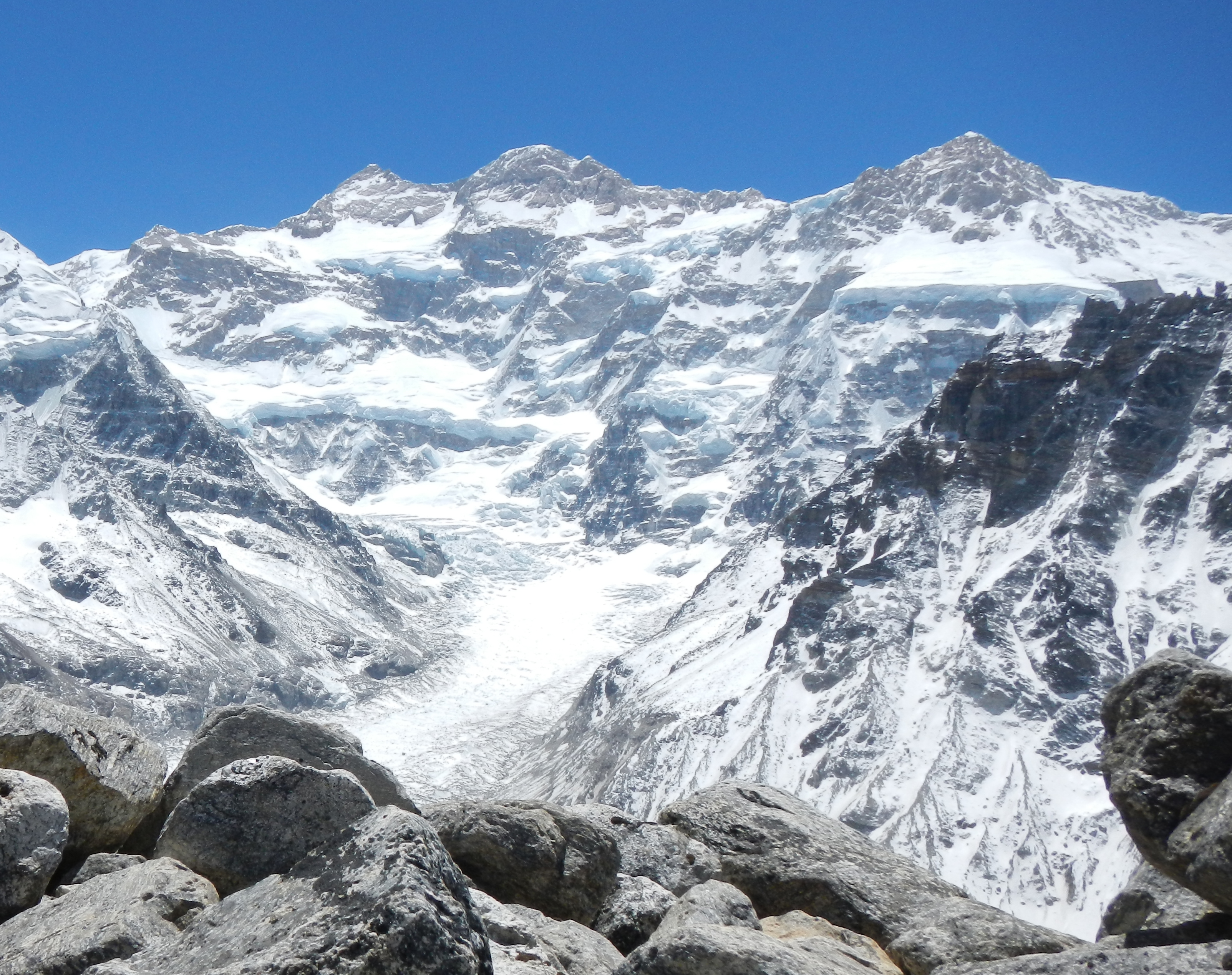
A uniqueness of Kanchenjunga is a cherished enterprise into the hearth of the Himalaya where the size of both Mountain and valley provide combination of nature created vista. The acmes are unmistakable out yonder for a days, skimming like water duck in the save lake. All around the huge yet grand pinnacles push up into the Himalayan blue then all of a sudden the gigantic north mass of Kanchenjunga blasts into view, with a rack of grass spilling down the slant toward its base.
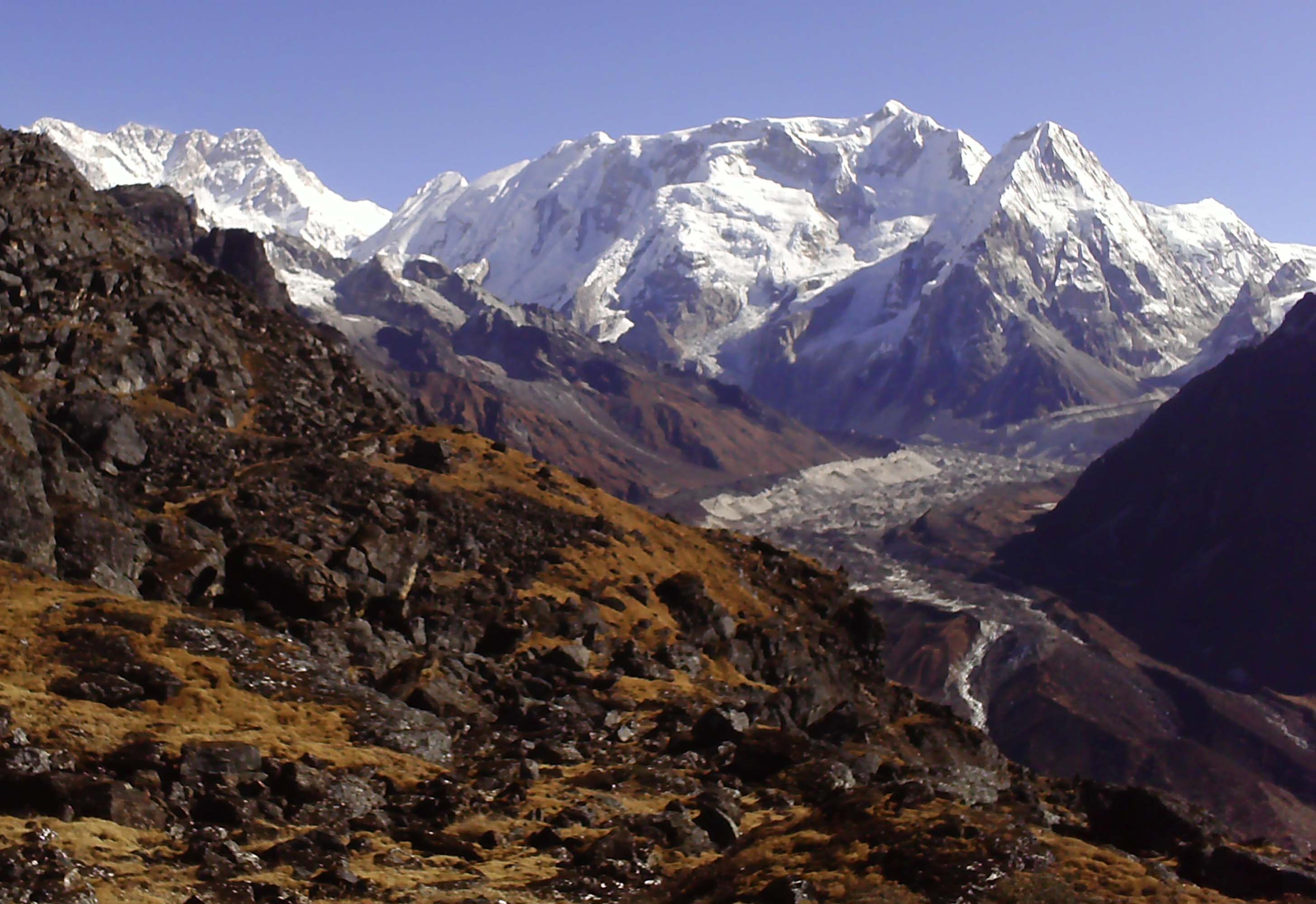
In any case, it is smidgen more costly Compare with other trekking destination in Nepal on the grounds that the Kanchenjunga Base Camp trek lies in the far eastern part of Nepal with its wild feeling of ethical quality and far from the entrance of human exercises with conveying the five fortune enormous Himalayas sees and additionally the marvels of Nature.
Accordingly to arrive it is possible that we need to contract a two way private jeep the distance from Katmandu to Taplejung or get two way flight ticket and furthermore private jeep too. Both it is costly however the trek is required Special Permits, Kanchenjunga conservation area entry permits and trekkers information management system (TIMS) Cards, those makes effectively costly and extra cost for guide and Porter in addition to customers lodging and fooding as well.
Also Kanchenjunga region is far away from well-made Hotels, Lodges infrastructure so for the group travelers requires fully Camping facilities trek to Kanchenjunga Base Camp. Organizing a full camping with supporters’ porters for supplying necessary goods fairly increased the trip cost of Kanchenjunga Circuit Trek.
Being a way from crows, staying at own wilderness camping ground middle of the nature surely keep away from busy office work and that is the lifetime holidays giving full of refreshments. However a local culture lover gives an opportunity to involve with local peoples staying their private home, share their local foods and explore the nature is always possible. Nepal base Local Company Visit Himalaya Treks offering those both option trips to Kanchenjunga Base Camp for giving full of refreshments sharing our nature beauty land of the Himalaya.
Access to Kanchenjunga Base Camp trek
Suketar airport is located above district headquarter Taplejung in quite good location but Kathmandu to Suketar Airport has not direct flight. Some private airlines scheduled 2 flights a week to Suketar but plan has not been continue. However if there is more then 9/10 travelers then it is always possible to land at Suketar airport through charter flight. Another sure option taking 45 minutes exciting flight to Bhadrapur near India boarder and 6/7 hours jeep ride take us to Taplejung / Suketar and from Taplejung/ Suketar our journey begins to Kanchenjunga. Kathmandu to Bhadrapur each day 2 to 3 flights with few different airlines.
By road access to Taplejung from Kathmandu each day numbers of public bus leave for Birtamod which is close to Bhadrapur. It takes about 12 hours and change another bus to Taplejung from Birtamod easily available at Birtamod Bus station. Birtamod to Taplejung takes another 6 to 7 hours by land transport.
Best time to Trek Kanchenjunga Base Camp
October to Mid-December is recommended to visit Kanchenjunga Base Camp trek, usually during this month clear sky, great visibility, and pleasant temperature. Similarly another best time to visit Kanchenjunga is March to May in spring season. In month of March/ April adding extra attraction; Nepal’s national flowers Rhododendrons are blooming in the jungle.
Visit Himalaya Treks has designed the Kanchenjunga Base Camp Trekking trip itinerary with details day by day programs in our trip section of Kanchenjunga Base Camp trek.
